Easwaran Narassimhan, Tarun Gopalakrishnan, Kelly Sims Gallagher, Megan Mahajan & Robbie Orvis

Is net zero net positive? – Opportunities and challenges for pursuing a socio-economically sensitive net-zero transition for India
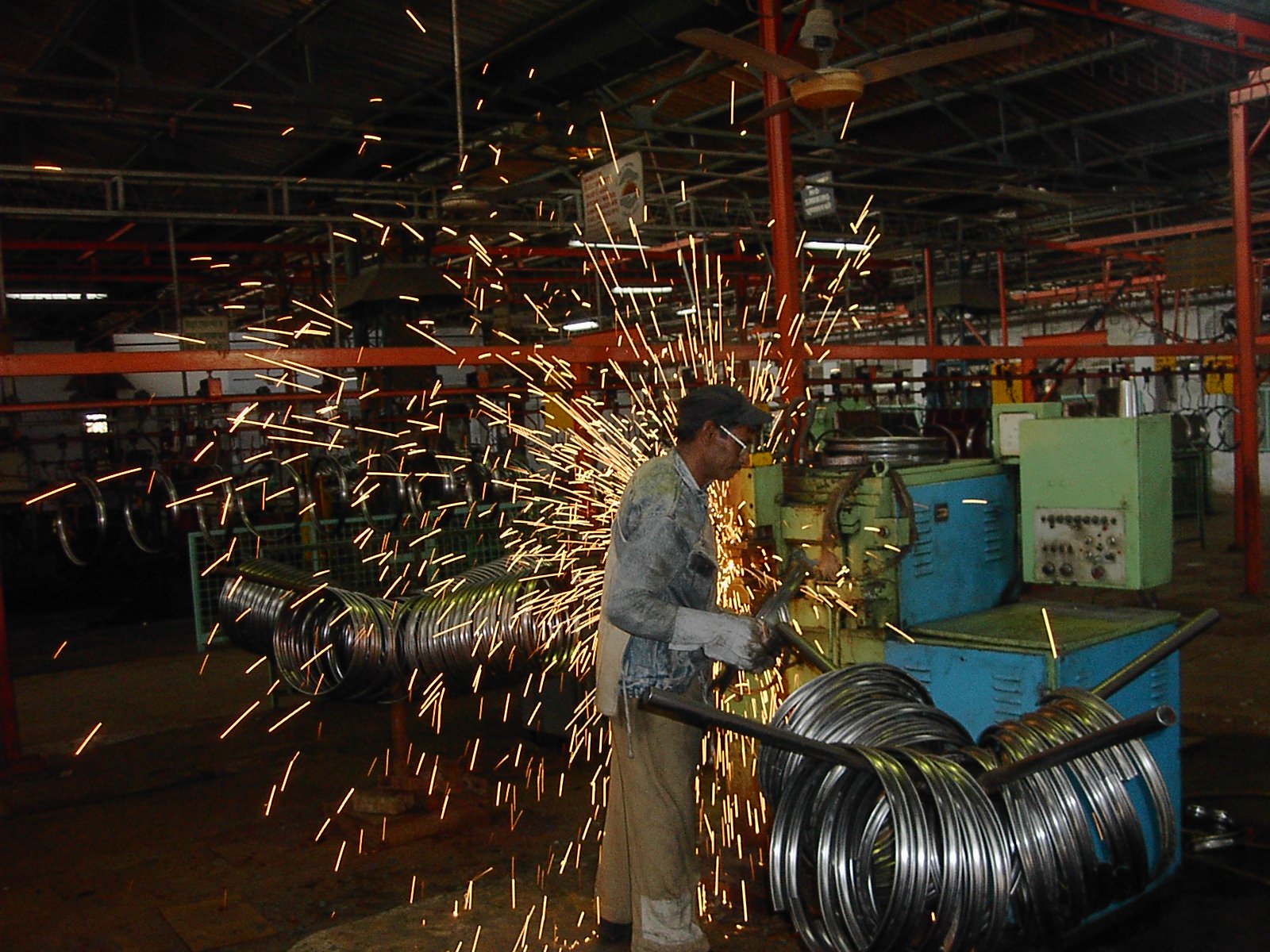
Credit: ILO/Flickr (CC BY 3.0) https://www.flickr.com/photos/iloasiapacific/8390889129

Abstract
At COP26 in Glasgow, India announced a long-term ambition to achieve net-zero greenhouse gas emissions by 2070. Existing emissions-economy modelling studies highlight that India’s emissions show no sign of peaking before mid-century and will not reach net zero by 2070 in a business-as-usual scenario with current policies. Using a mixed methodology of expert elicitation and system dynamics modelling, this article examines the policy gap that needs to be bridged for India to realize its net zero by 2070 commitment. The study discusses a socio-economically sensitive policy mix that could set India on a trajectory to peak its emissions in a decade and zero out its carbon dioxide (CO2) emissions by mid-century, leaving about one gigaton of other greenhouse gases to be decarbonized by 2070 to meet India’s net-zero goal. The policy mix realizes this goal while maintaining the government’s fiscal stability, and increasing employment and GDP beyond business-as-usual. The trajectory reported here is one of many possible low-carbon development pathways that could potentially be a net socio-economic positive for India. However, barriers such as the country’s lack of clean energy innovation and industrial policies, the gap between its domestic manufacturing capacity and deployment requirements, individual sector readiness for decarbonization, and the distributional implications of government revenue shifts through the energy transition remain significant challenges that need to be addressed to realize these potential socio-economic benefits of decarbonization.
Read more
Related Publications

Opinions
Energy Transitions
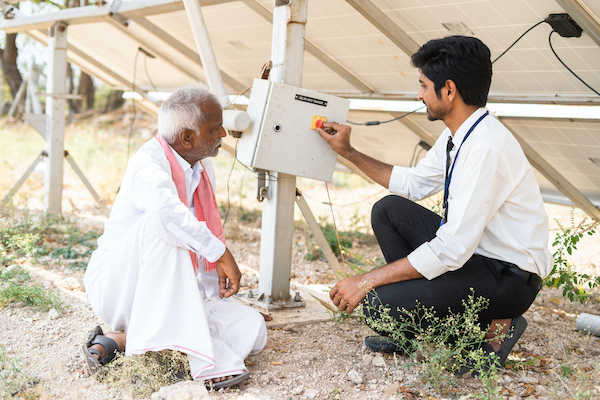
Rural Energy Must Deliver More Than Connections
Sarada Prasanna Das
BasisPoint Insight | 13 November 2026
India's rural energy transition will remain incomplete if electricity connections do not translate into better lives and stronger livelihoods. Rural energy policy must focus on productive uses, reliable supply and local institutions to turn electricity access into economic opportunity. The measure of success should be whether these systems sustain useful services and expand economic opportunity long after they are installed.
Reports
Climate Policy
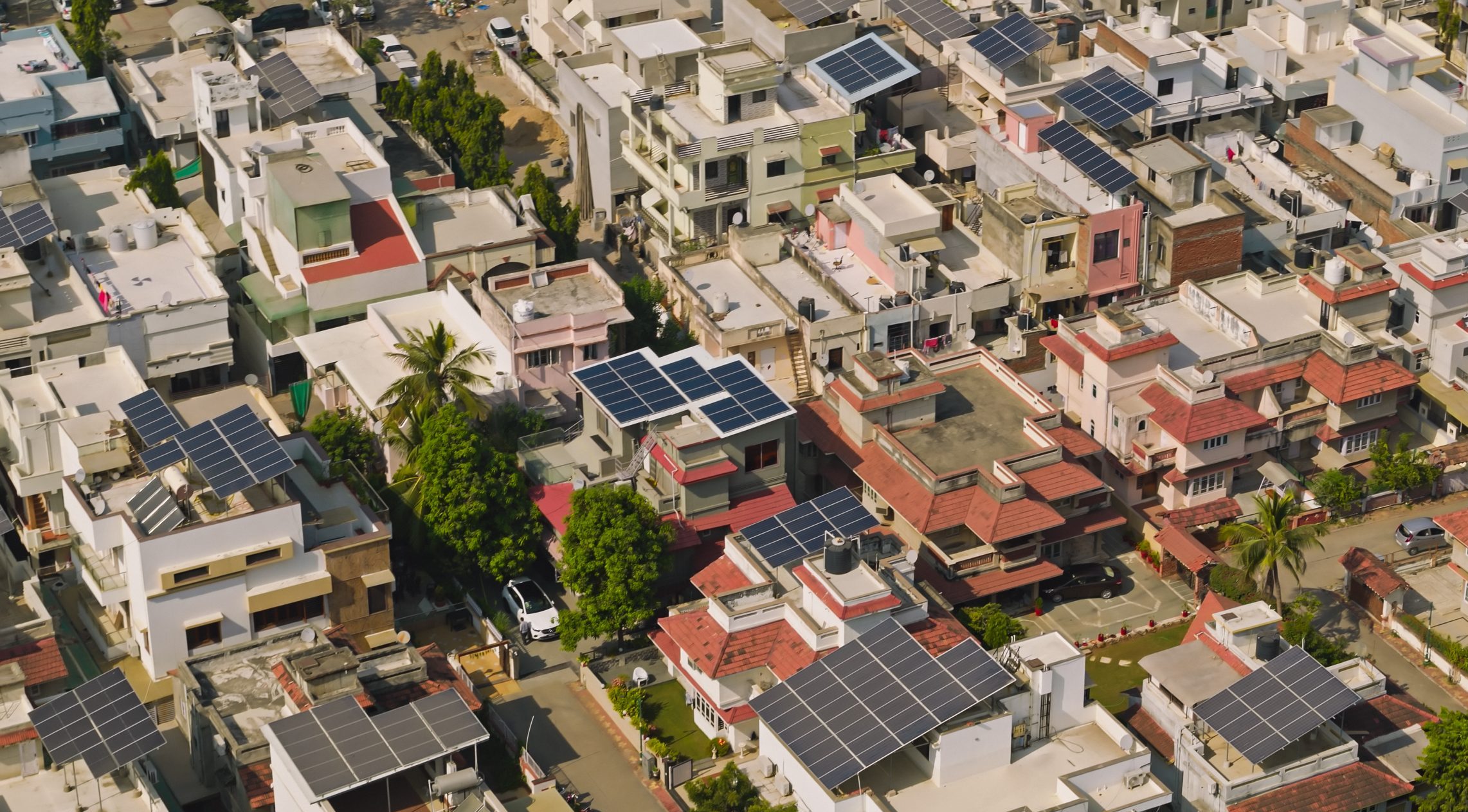
How Can India Align Its Clean Energy Innovations with Its Ambitions? An Assessment of Public RD&D Investments and Activities
Kashmeera Patel, Easwaran J Narassimhan, and Aman Srivastava
15 October 2026
This report examines India’s public clean energy RD&D investments across six key technologies to assess whether public cleantech RD&D innovations align with its broader clean energy, industrial, and climate ambitions.
Opinions
Energy Transitions
Towards the next frontiers in India’s energy transition
Sarada Prasanna Das and Shubhranshu Suman
Ideas for India | 5 October 2026
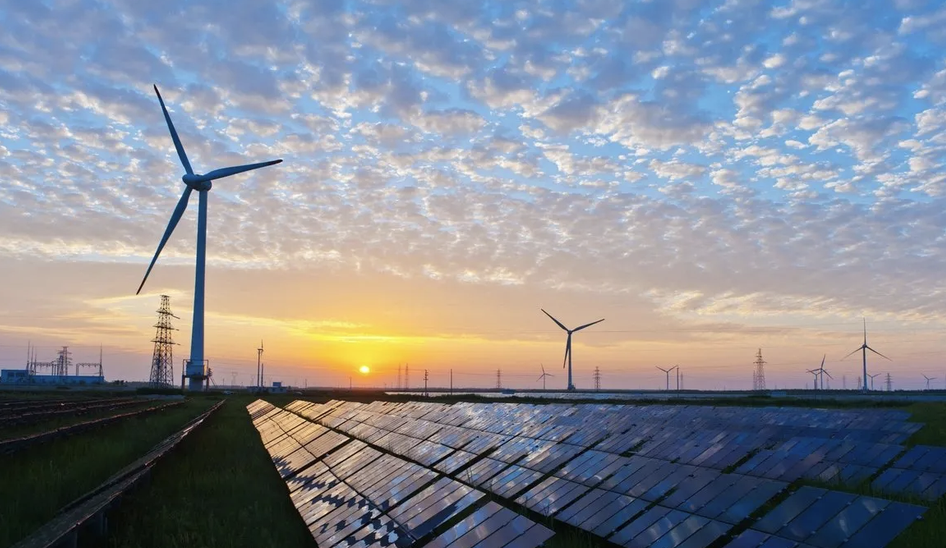
Non-fossil installed power capacity now constitutes a significant share of India’s total installed power capacity. In this post, Das and Suman argue that the next stage of India’s energy transition requires greater attention to system integration and the actual contribution of clean energy to electricity generation – while also recognising the broader socioeconomic opportunities that the transition can create.