
International Environmental Law in the Courts of India, Bangladesh, and Pakistan
Summary
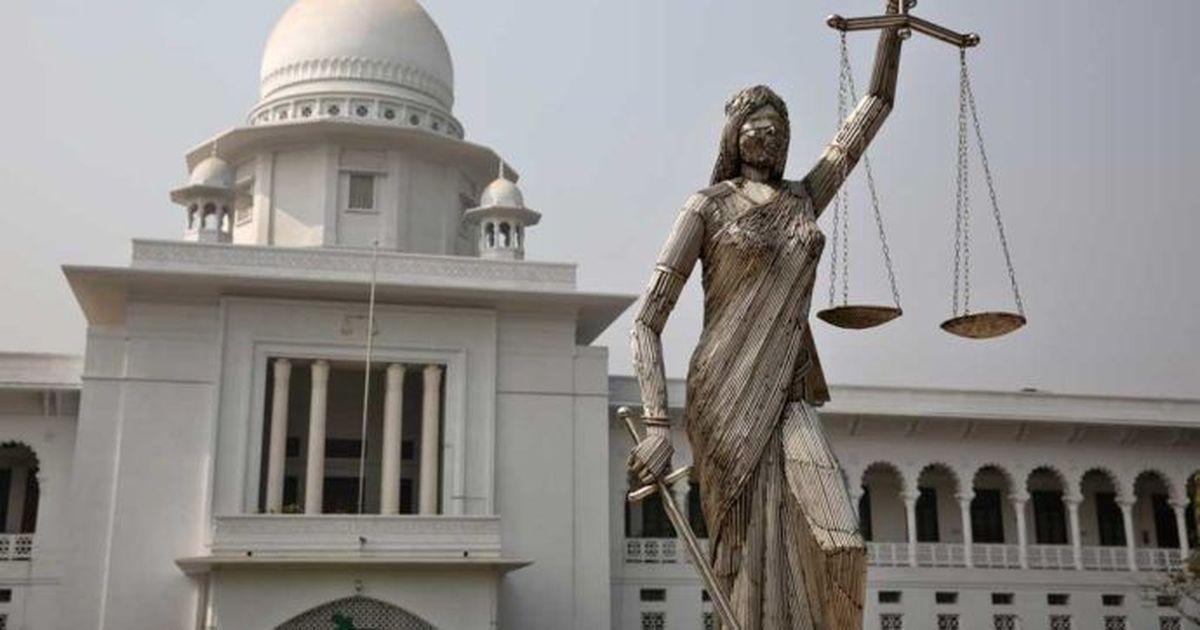
This chapter, published in The Oxford Handbook of International Environmental Law, focuses on international environmental law (IEL) in the courts of India, Bangladesh, and Pakistan. Review of the case law reveals that Indian courts have led the adoption of the IEL principles in this region, with occasional references to IEL by Bangladeshi and Pakistani courts. This appears to follow the trend of non environmental cases, where also the Bangladeshi and Pakistani judiciary is more reluctant than the Indian courts to turn to international law. Although courts in the three countries have engaged with IEL, it has mostly been at a superficial level. Their reliance on IEL is not always accompanied by strong judicial reasoning, making it difficult to determine their content and scope, and even their relevance in particular scenarios. Given development imperatives in these countries, courts are often faced with the ‘economy/development versus environment’ question. In such situations, the courts rely on IEL in an instrumental fashion in support of the final outcome of the case, rather than engaging with the substantive content of the IEL principles.
 Download the Study

Related Publications

Opinions
Environmental Governance and Policy
Post Facto Environmental Clearance: Whose fault Is It Anyway?
Himanshu Pabreja and Neha Miriam Kurian
Live Law | 24 August 2026
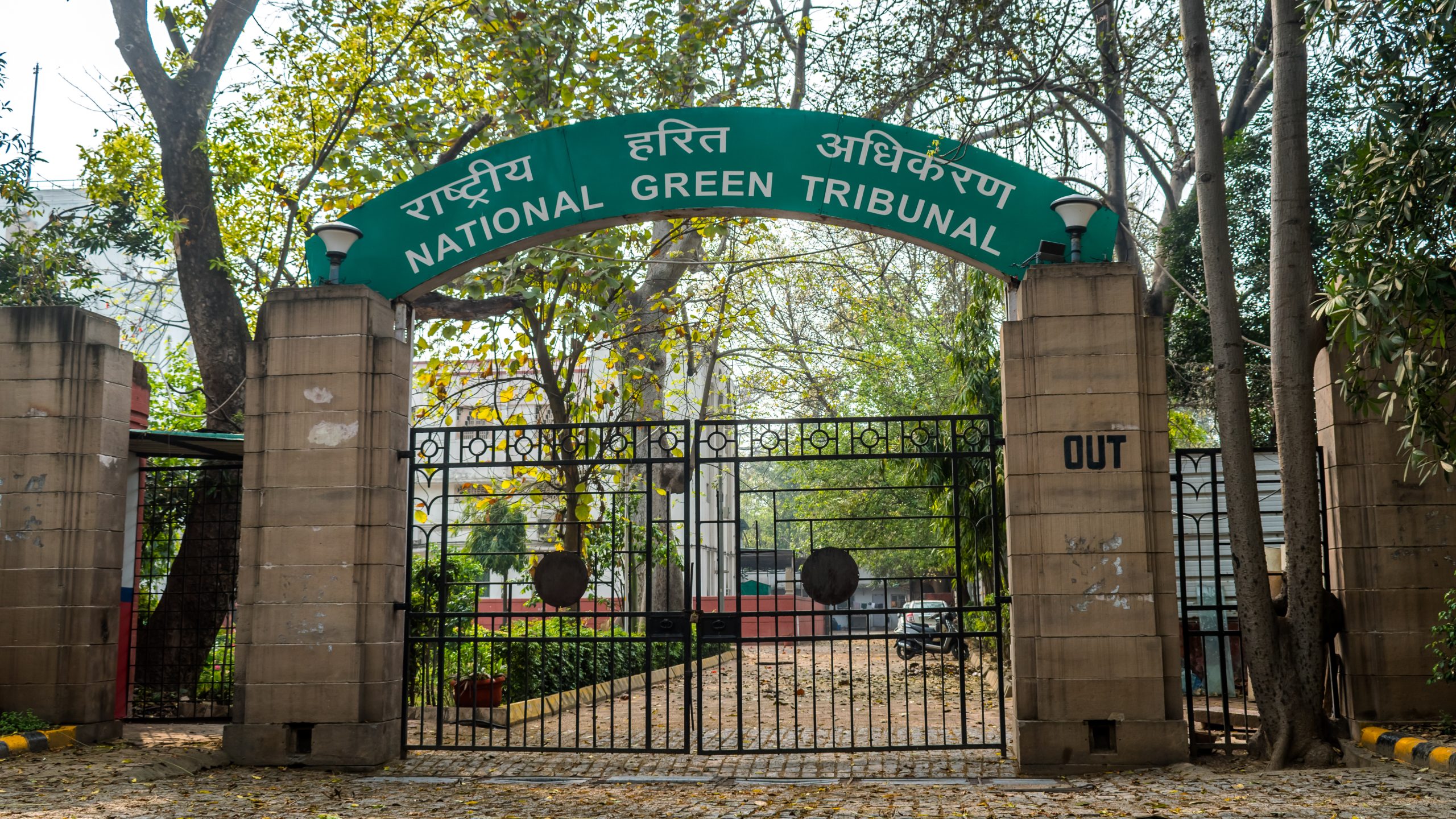
The Supreme Court recently ruled that it may grant environmental clearances ex post facto in exceptional cases where violations serve a genuine public interest. While this addresses regularisation schemes, it does not address another question: how did violations of this scale go undetected in the first place?
Opinions
Adaptation and Resilience
Environmental Governance and Policy
India’s heat response is missing public health logic
Purvi Patel
Mongabay India | 27 July 2026
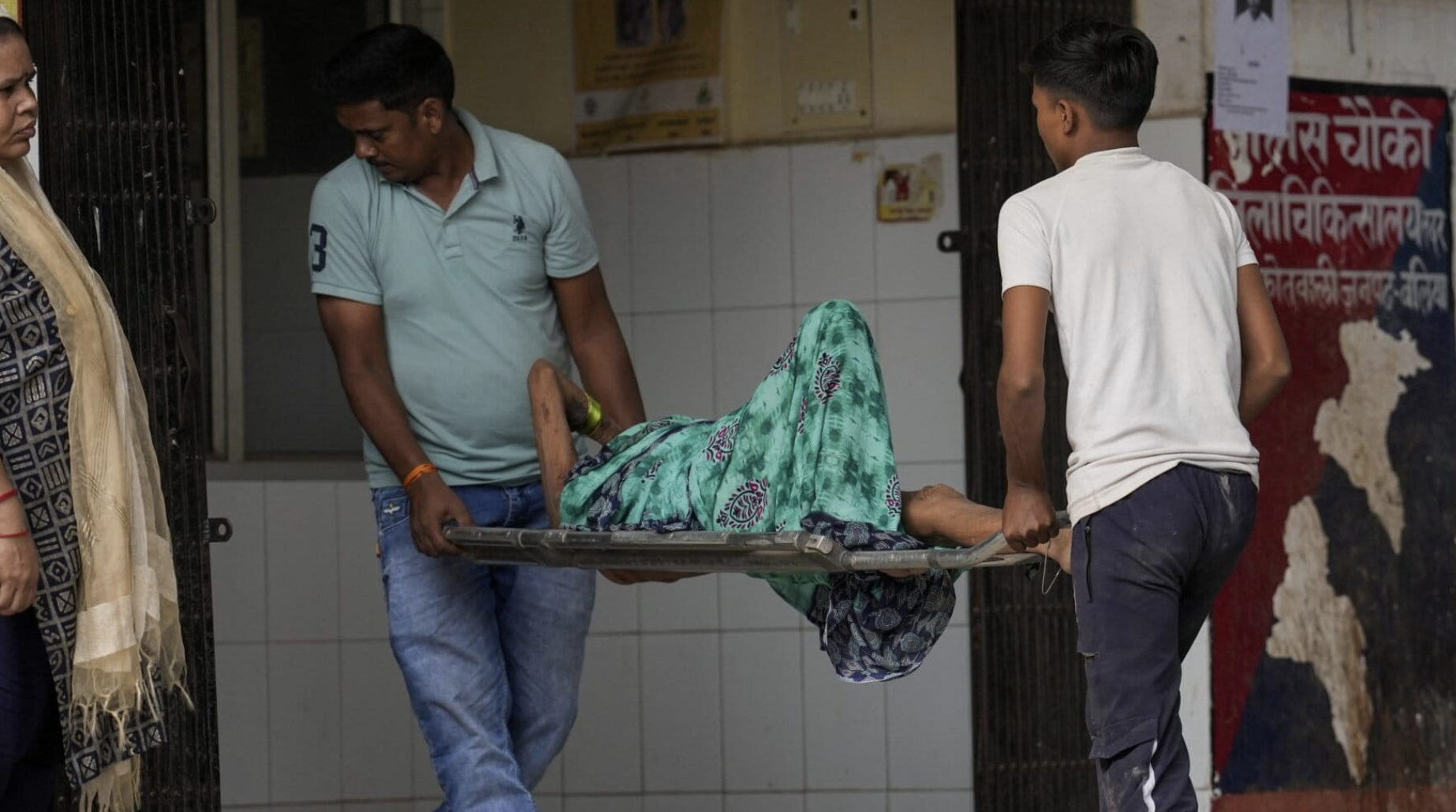
Heat exposure may be shaped by climate, labour, urban planning, and energy systems, but its consequences ultimately manifest in human health. Unless public health outcomes become the organising principle of heat governance, rising temperatures will continue to expose the limits of our response.

Opinions
Environmental Governance and Policy
What needs to be done to make Delhi EV Policy 2.0 a success
Himanshu Pabreja and Bhargav Krishna
15 July 2026
Delhi EV Policy 2.0 is unprecedented in pace and scale for an Indian city. Its goals must be matched by the necessary infrastructure and regulatory clarity.