
From Norm-Taker to Norm-Maker? Indian Energy Governance in Global Context
Summary
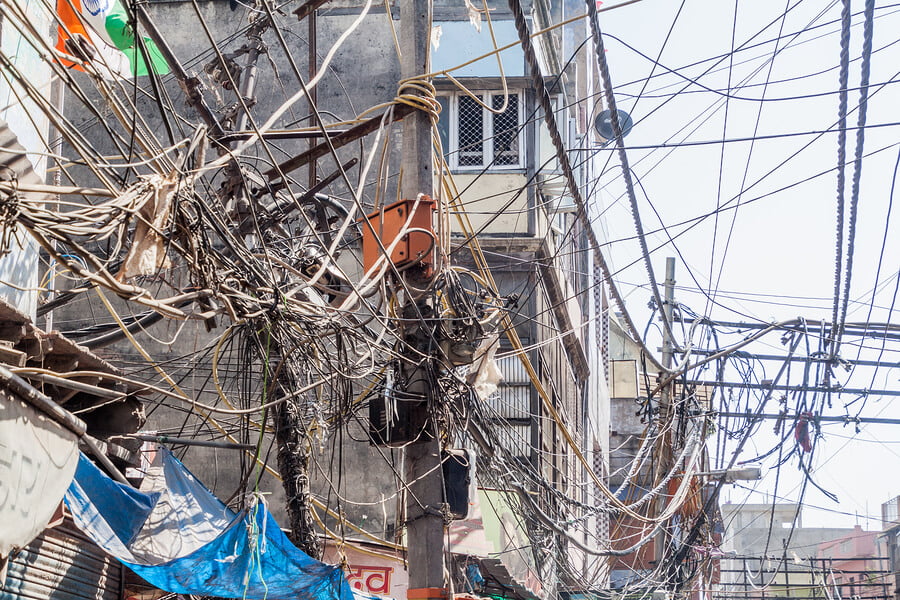
This article examines how India’s domestic energy challenges have been shaped by global forces and how, in turn, India has engaged and is likely to engage in discussions of global energy governance. A central theme is that exploring India’s engagement in global energy governance requires a clear understanding of its domestic energy context and how this has changed over time. The article develops three narratives that have guided Indian energy governance domestically: state control; the grafting on of market institutions; and the embryonic linkage between energy security and climate change. In all these phases, Indian energy has been strongly influenced by global trends, but these have been filtered through India’s political economy, creating outcomes that constrain future policy implementation. This path dependent story also carries implications for India’s engagement with global energy governance. With the rise of a new narrative around energy security, increasingly leavened with invocations of clean energy, India is positioned to reformulate its engagement in global debates. However, the perceived need, strategic clarity and resultant eagerness to engage in the task are all limited.
 Download the Study

Related Publications

Opinions
Energy Transitions
Rural Energy Must Deliver More Than Connections
Sarada Prasanna Das
BasisPoint Insight | 13 November 2026
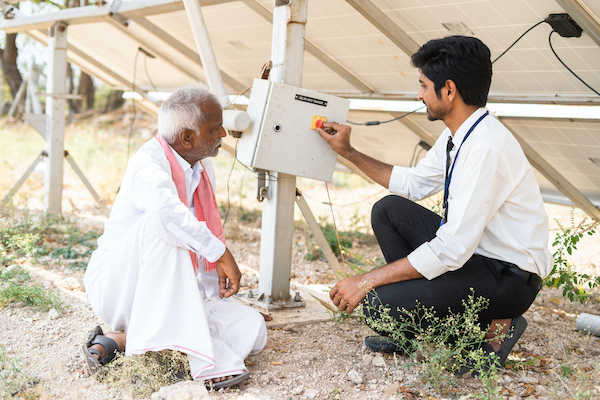
India's rural energy transition will remain incomplete if electricity connections do not translate into better lives and stronger livelihoods. Rural energy policy must focus on productive uses, reliable supply and local institutions to turn electricity access into economic opportunity. The measure of success should be whether these systems sustain useful services and expand economic opportunity long after they are installed.
Opinions
Energy Transitions
Towards the next frontiers in India’s energy transition
Sarada Prasanna Das and Shubhranshu Suman
Ideas for India | 5 October 2026
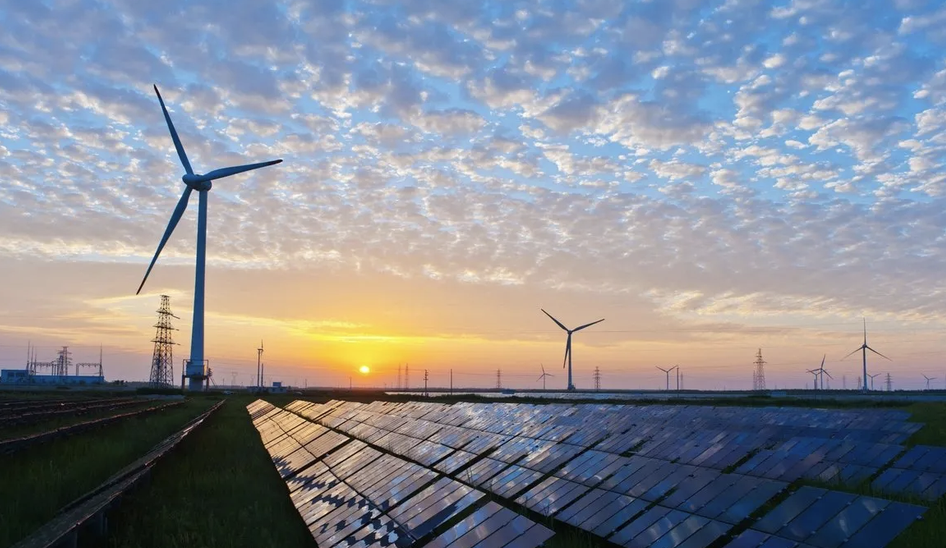
Non-fossil installed power capacity now constitutes a significant share of India’s total installed power capacity. In this post, Das and Suman argue that the next stage of India’s energy transition requires greater attention to system integration and the actual contribution of clean energy to electricity generation – while also recognising the broader socioeconomic opportunities that the transition can create.
Reports
Energy Transitions
The Energy Transition in Irrigation: A Case Study on Community Solar Irrigation in Chhattisgarh
Sarada Prasanna Das, Ashwini K. Swain, and Catherine Ayallore
ETPI | 30 September 2026
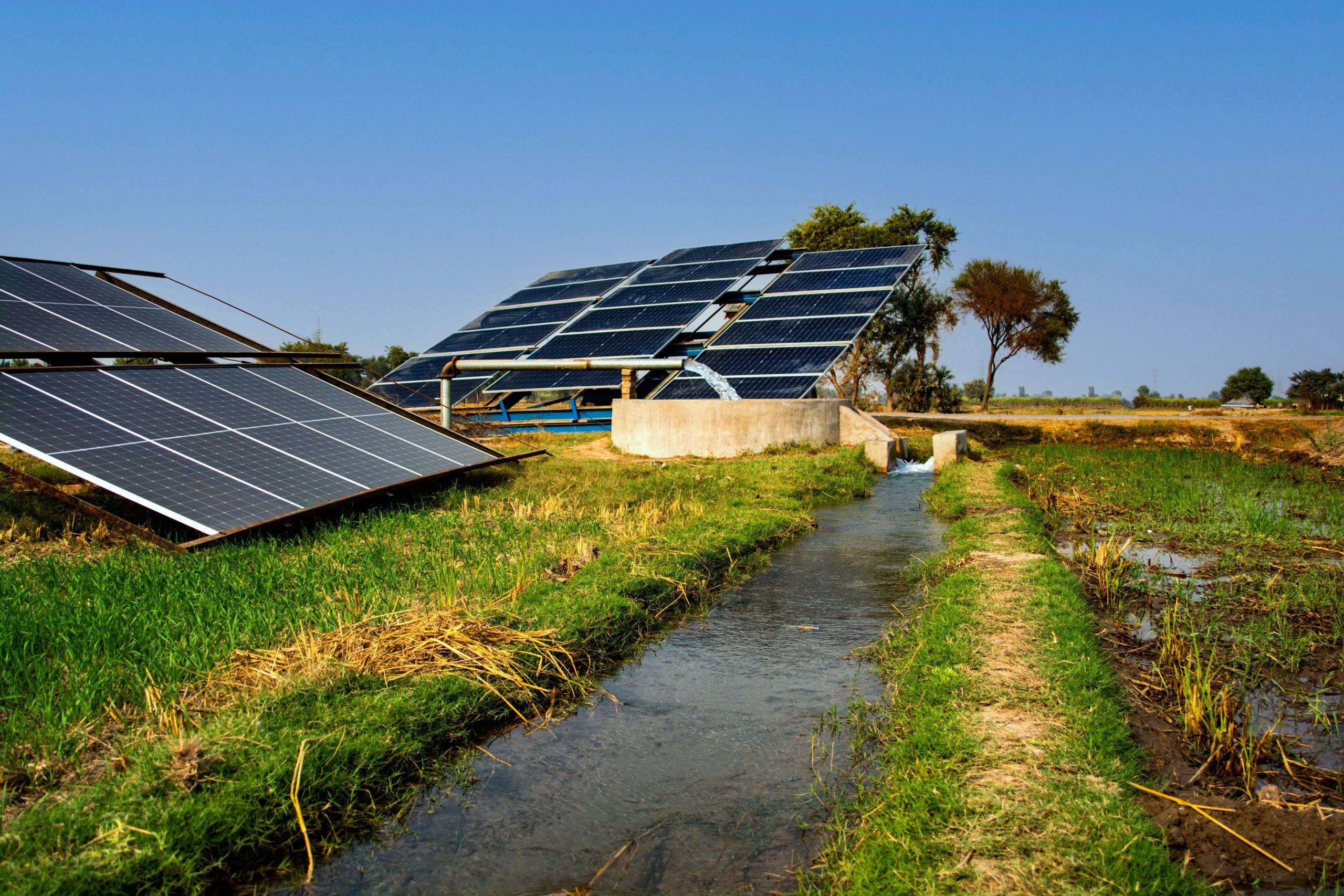
Chhattisgarh is implementing India’s first large-scale, state-supported community solar irrigation scheme. This case study finds it has brought irrigation to 2,851 hectares, directly benefiting 2,740 marginal and small farmers. It examines how the scheme combines local and line department funds with state institutional support, and its potential for livelihood gains.