





Navigating pathways to a sustainable future by
Analysing issues at the frontier of addressing climate change, managing the energy transition, and limiting environmental threats in India and globally
Informing policymakers, stakeholders, and the public about key policy and governance levers, and their implications
Accelerating the transition to an environmentally and socially sustainable future by enabling strategic action for systemic change
Our areas
of work


Our events
Past Event
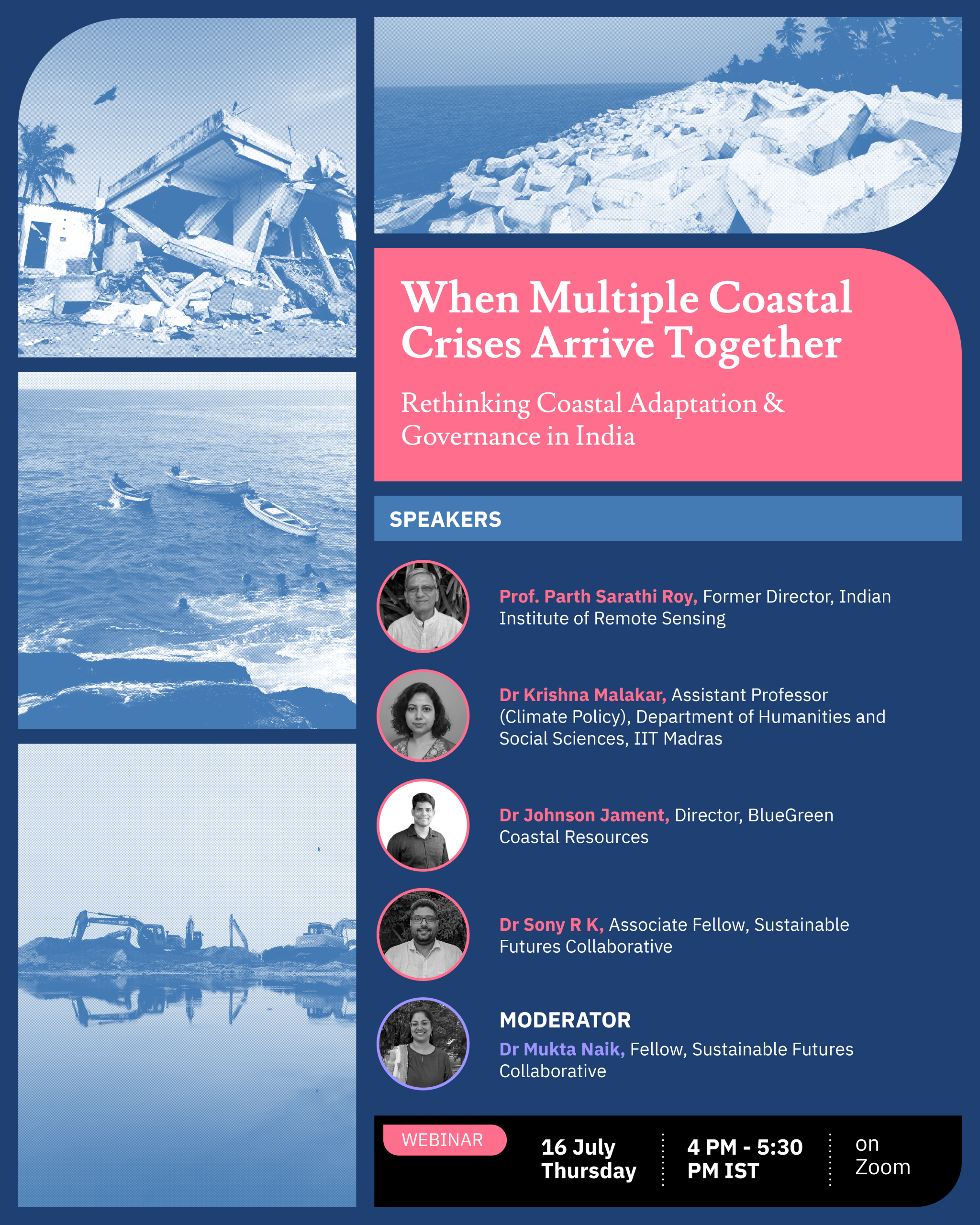
When Multiple Coastal Crises Arrive Together: Rethinking Coastal Adaptation & Governance in India
Discussion on why India’s coastline, exposed to compounding hazards from sea-level rise to cyclones to erosion, needs a multi-hazard approach to adaptation, moving beyond reactive, single-hazard responses toward integrated, anticipatory governance across sectors and institutions.
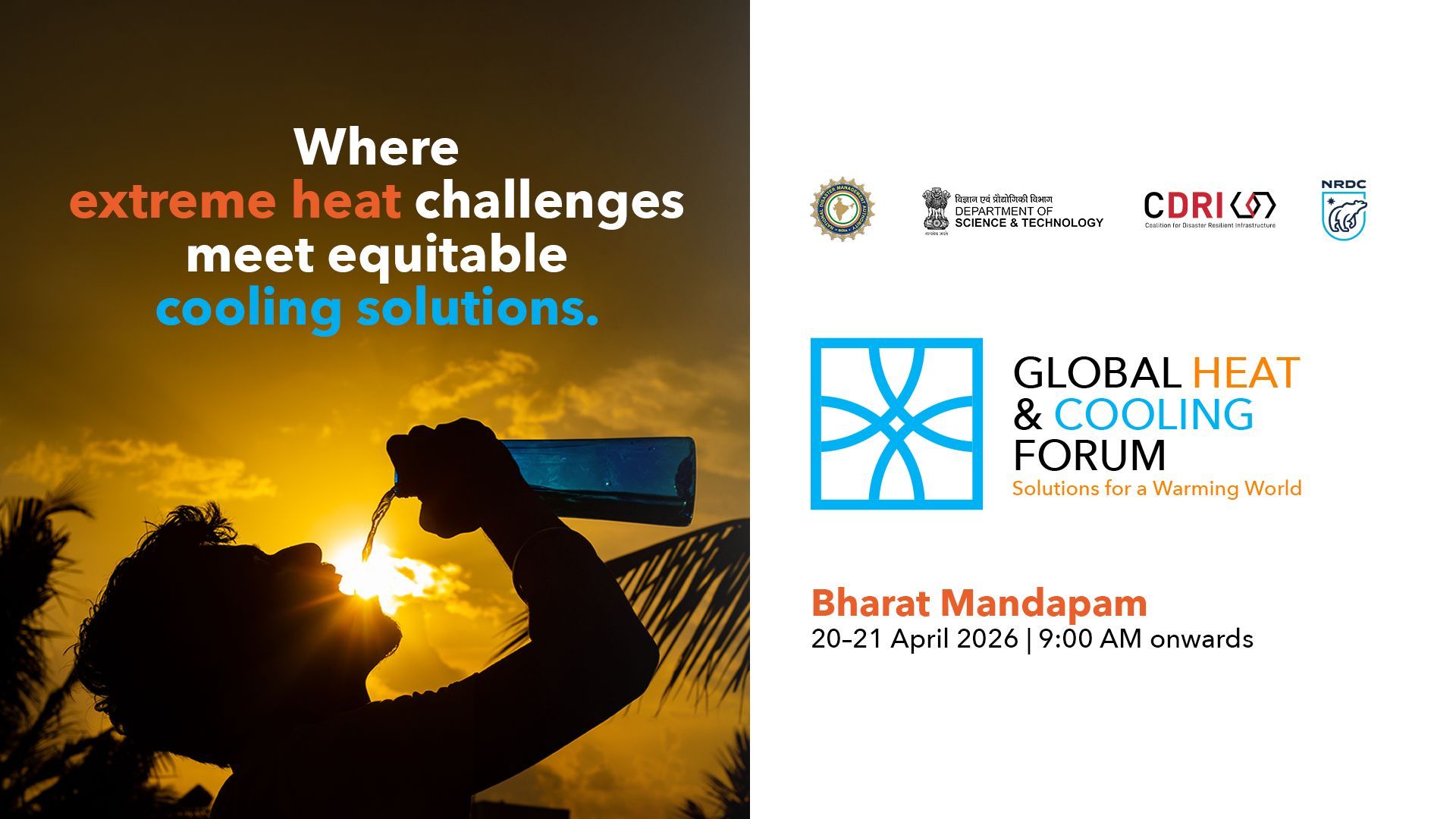
Global Heat & Cooling Forum: Solutions for a Warming World
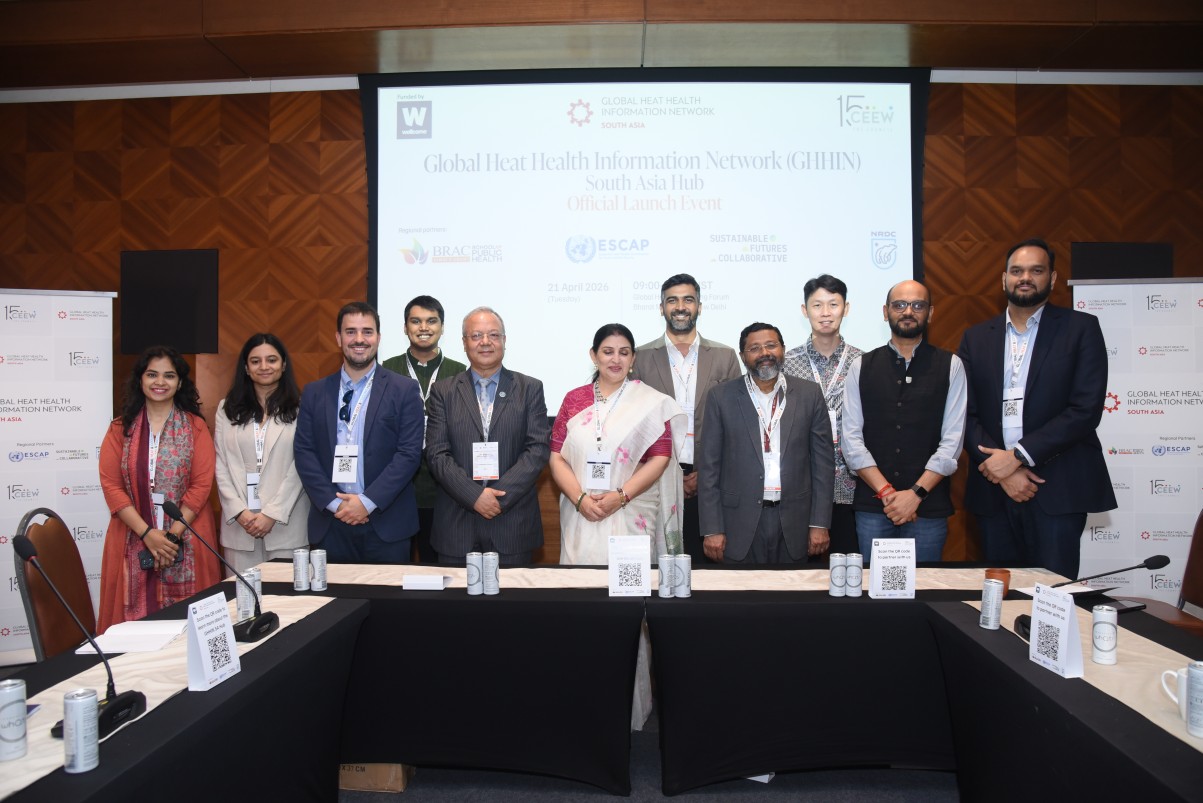
The 2026 Global Heat and Cooling Forum on 20-21 April, at Bharat Mandapam in New Delhi, will bring together leaders across policy, science, and practice to advance real-world solutions for heat resilience and climate-friendly cooling. The new Global Heat Health Information Network (GHHIN) South Asia Hub will also officially launch, marking a step forward in regional collaboration on heat and health.

Making the ‘Invisible’ Visible: Indoor Heat, Unpaid Domestic Work, and Women’s Resilience
Co-created with women homemakers, this project documents their personal struggles with rising heat, and how women adapt with resourcefulness, finding small yet often inadequate ways to stay cool and ease discomfort. Through their voices, we glimpse their struggles, creativity, and the everyday strength that keeps homes and care going in a warming world.
Strengthening Climate Governance in Asia – Pacific
What does climate governance look like in the Asia-Pacific region? How can we strengthen climate governance through effective, evidence-based policy advice? What role can climate councils play in implementing NDCs and raising ambition? Join us for an engaging webinar with Asia Society Policy Institute (ASPI) and International Climate Councils Network, where we will share work on climate governance, including local climate councils, in the Asia-Pacific region. Understand the opportunities to establish advisory bodies, and unique regional and country-based considerations for effective climate governance.
Public engagement
IN THE NEWS
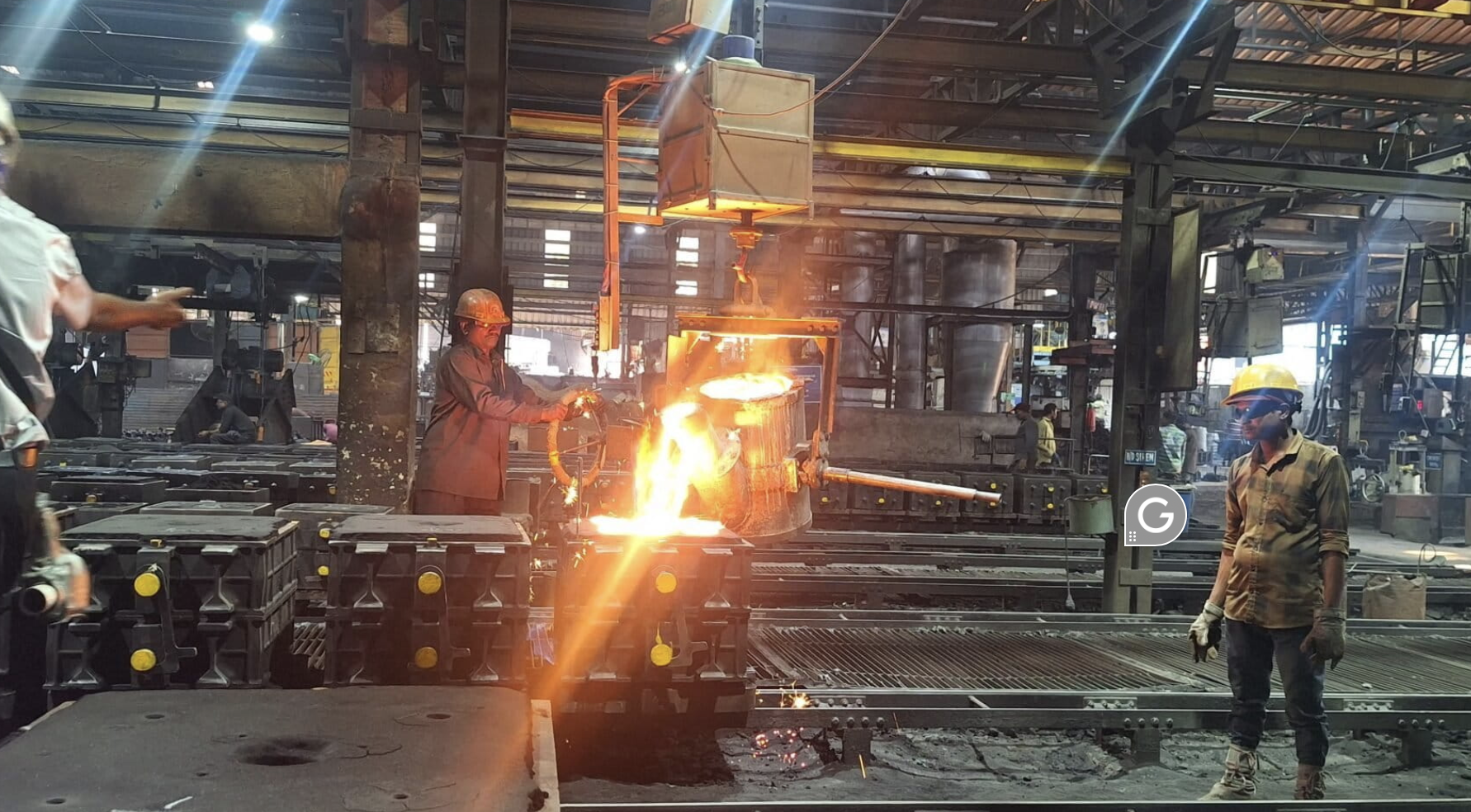
European Union border tax tests India’s small iron and steel businesses
Mongabay India | 16 June 2026
Soutrik Goswami in Mongabay India: India will have to watch out for countries with similar exports to the EU, such as Turkey and South Korea. “If we are not able to decarbonise as much as them, we might lose out, and MSMEs will face impacts through their presence in the supply chain,” he said.
SPEAKING ENGAGEMENTS
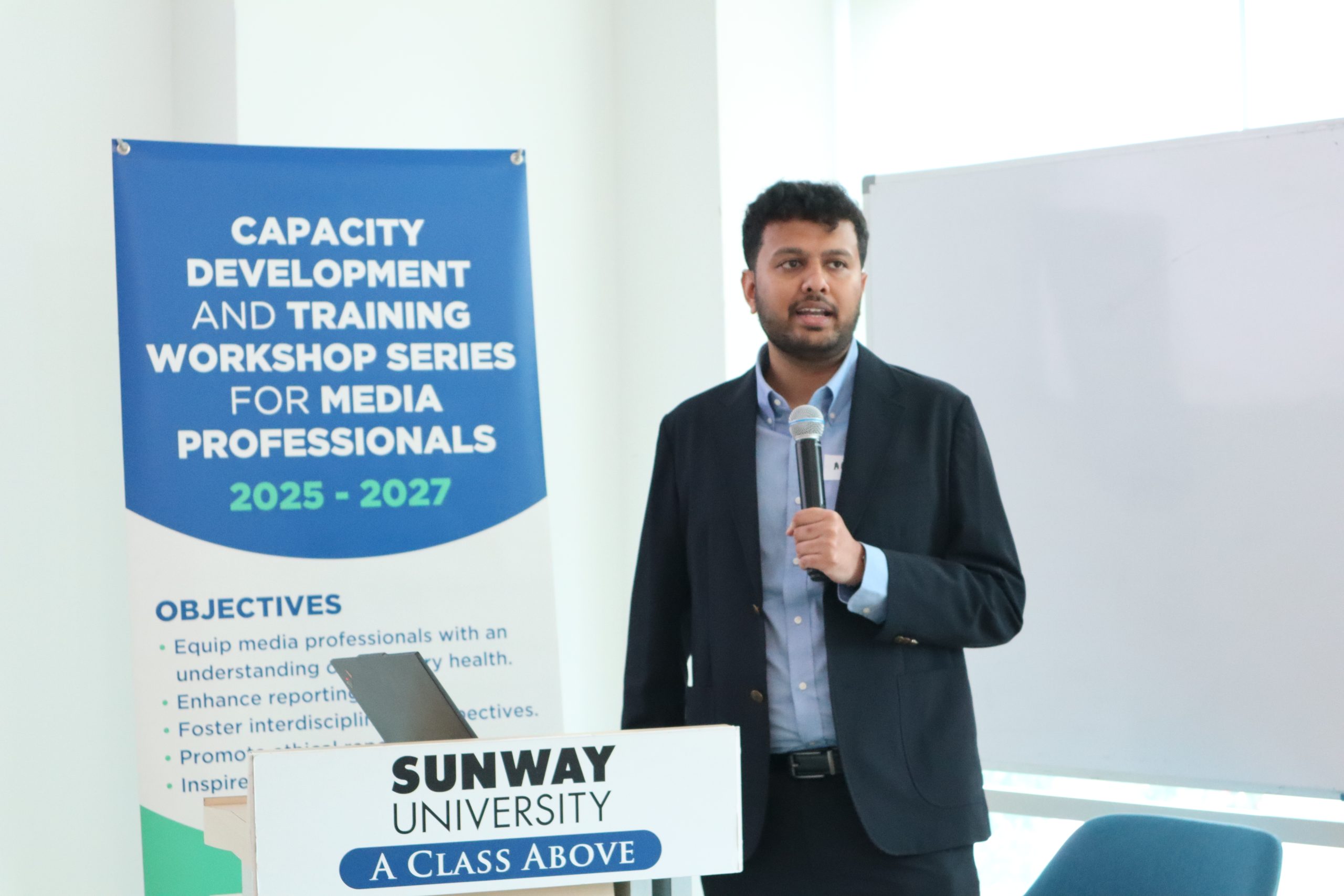
Cutting Through the Haze: Transboundary Air Pollution, El Niño and Health Reporting in South and Southeast Asia
Sunway Centre for Planetary Health, Malaysia | 13-14 July 2026
Arunesh Karkun spoke on ‘Economics and the Political Economy of Air Pollution in South and Southeast Asia’, using India’s 2025 coal desulphurisation rollback as a case study to unpack the real costs of air pollution to health, labour productivity, and livelihoods, and the regulatory gaps that let them persist. He urged participants to track policy during quiet months, not just when smog is present. He also stressed on investigating the full lifecycle of industrial pollution, including long-term contamination, and the limited enforcement that allows violators to avoid accountability.
IN THE NEWS
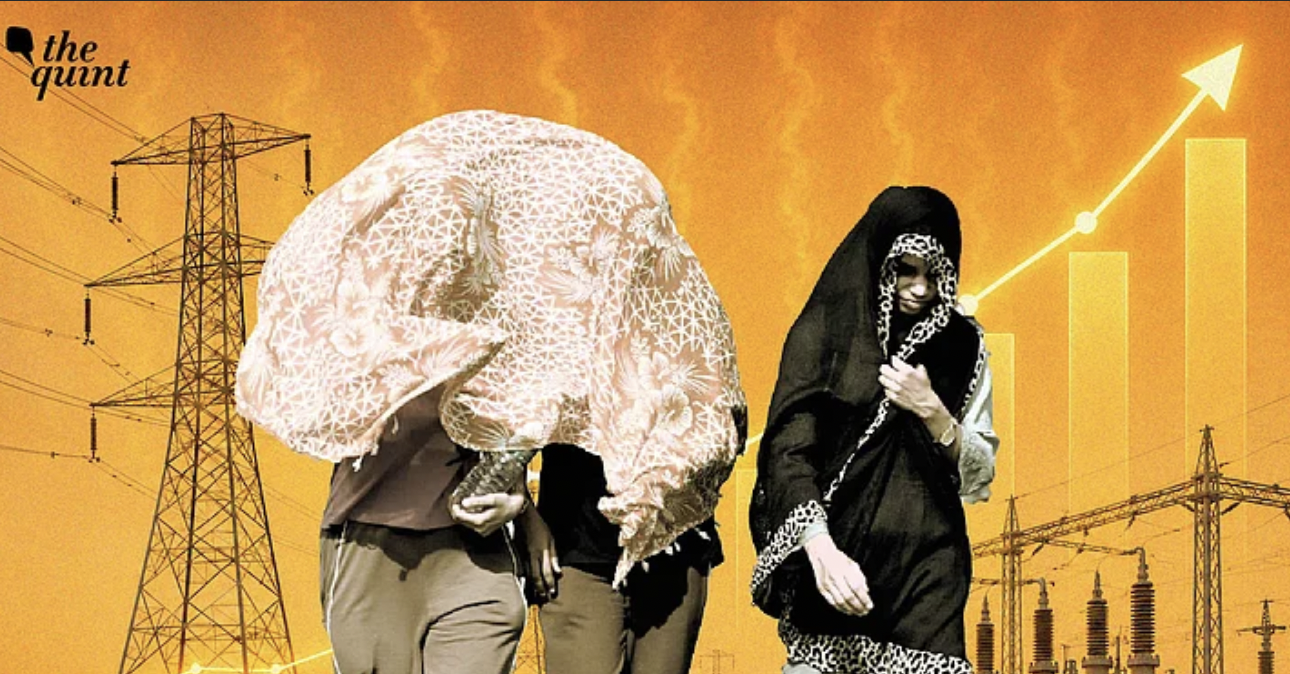
AC Boom in the Coming Years Will Test India’s Power Grid: What Needs to Change?
The Quint | 24 June 2026
“Whatever electricity distribution networks exist today have been in place for a long time, and they have not been significantly upgraded. Any improvements happening are incremental and very slow. Because of this, breakdowns continue to occur.” – Sarada Prasanna Das explains.